
Walk through the heart of any Indian city and you'll encounter a reality we've normalised
streets littered with discarded paper cups, sachets of pan masala, plastic wrappers and cigarette butts. At first glance, it's just waste. But look closer and it reveals a deeper pattern of unchecked consumption, weak accountability and a public infrastructure still struggling to keep pace with urban sprawl.
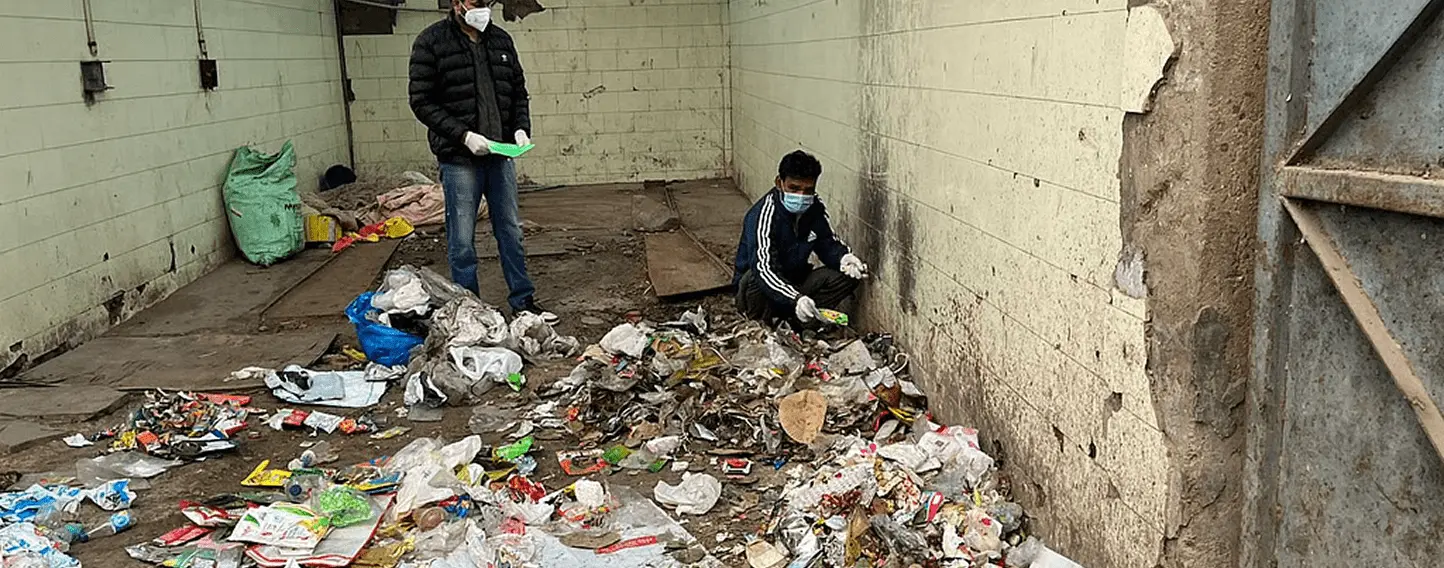
This isn't a new problem but is becoming more urgent. A recent waste audit by IDEAL Foundation in Delhi used the Gobbler litter picker machine to collect and analyse litter from Karol Bagh and Tilak Nagar — two of the city's busiest market zones. In just 30 days, the machine gathered over 64,000 items, amounting to nearly 32,000 litres of waste — or 133 full bins. On average, that's five overflowing 240-litre bins every day.
Most of the waste was low-value, single-use packaging and over 48,000 items were unbranded, underscoring the challenge of holding producers accountable.
To support the audit, a four-member research team from the non-governmental organisation accompanied the Gobbler litter picker machine during daily rounds — monitoring collection and mapping litter hotspots.
Post-collection, waste was taken to a sorting facility where two trained sorters manually segregated items. This hands-on process helped identify material types, branding patterns, and recyclability, revealing critical insights into urban consumption and packaging responsibility.